Tuesday, 28 February 2012

TOUKOUL - ETHIOPIAN GOLD


What does the name Ethiopia conjure up for you? Probably long-distance running - if you can name one Ethiopian it will be Haile Gibreselassie, marathon man par excellence. You may also think of coffee (quite likely they invented it). You may be aware that Ethiopia had a great influence on reggae music through the Rastafarian religion, but jazz may come as more of a surprise, unless you've seen the Jim Jarmusch film "Broken Flowers" which featured the hypnotic Ethio-jazz of Mulatu Astatke. Oldest Christian church in the world, anyone? And going even further back, Ethiopia can stake a valid claim to be the birthplace of civilization. If that proves to be the case, then we are all Ethiopians.


If you're around my age - that is to say, mid to late 40s (Come off it! Ed.) - you will have grown up with depressing images of Ethiopia - famine, disease, war, refugee camps - so it is heartening to learn that Ethiopians are not sad people at all. In fact they are regular party animals, and smiley Haile Abebe, the de facto ambassador of the Ethiopian community in Brussels, is out to spread the word with co-owners Natalino Arena and Serge Anton. He already scored a hit with his first restaurant Kokob, and music and cultural venue Le Cercle des Voyageurs which he still runs with a business partner. The new restaurant on the Rue de Laeken, a stone's throw from Place de Brouckère and Sainte Catherine, is called Toukoul. (A toukoul is a small thatched hut where the Afar people of the highlands live). The huge high-ceilinged room has been inventively and tastefully decorated by Serge Anton with genuine Ethiopian artworks.


At the official launch of Toukoul in January, live bands played smoky jazz and lively dance music and the place was packed wall to wall with fans of Ethio jazz funk. At one point the chef gave an impromptu demonstration of vigorous Ethiopian eskesta dancing on the bar, to noisy stamps and whistles of appreciation from the mixed Ethiopian and European crowd. I returned in February for a less frenetic evening, with my editor Tony Mallett and a couple of other novices to Ethiopian cuisine. Not knowing much about it, we trusted in our waiter to serve us a typical selection, and were not disappointed or hungry when we left.


The traditional Ethiopian meal consists of a large spongey sourdough flatbread called "injera" made from teff flour indigenous to Ethiopia, which is used as both plate and cutlery. It is served with small portions of various meat and vegetarian dishes, some spicy, others less so. Strips of injera are used to scoop up food. The various stews and mixes made from vegetables, pulses or meat such as lamb, beef or chicken, are known as wat or aticha and are seasoned with a hot chilli sauce called berbéré, ginger or erd (similar to turmeric). There are also fish dishes and a selection of salads. The “discovery menu”, ranging from 18 to 25 euros a head depending on how hungry you are, is the nearest thing to a typical Ethiopian meal, consisting of a selection of prepared dishes served with a tray of injera and served with an explanation of how to eat it.


Vegetarians are easily catered for, with a good selection of veggie dishes on offer, including spinach with mushrooms, lentils, split peas, ratatouille, ayeb (cottage cheese); the meat dishes range from diced chicken with spinach, minced beef spiced up with berbéré, and diced lamb in a creamy yogurt sauce to chicken with ginger and vegetables. All the dishes are extremely tasty, some are surprisingly mild - apart from the berbéré, nothing will blow your head off. An extra bowl of rolled injera strips is provided for you to break up and use them to scoop up the food on the tray. It’s a convivial and fun way of eating in a couple or a group, and apparently the typically Ethiopian way to do it is to feed each other with a mouthful of rolled and filled injera, called a "goursha". The bigger the goursha, the deeper the friendship. If you don’t fancy your friends' fingers in your mouth, or even your own, cutlery can be provided on request.

After a communal meal eaten with the fingers from the same plate, treat yourself to an abridged version of the Ethiopian coffee ceremony, where diners are enveloped in burnt-coffee smelling steam, as the freshly-roasted beans are waved over the table like incense. The roasted coffee beans are then taken away and ground on the spot to produce a light coffee with a delicate flavour that will not keep you tossing and turning all night. Alternatively, you can sip an Ethiopian herbal tea flavoured with ginger and cinnamon.


Toukoul serves tasty food in a warm and friendly atmosphere. During the week, discreet Ethiopian background music provides background ambience. On Fridays and Saturdays there is live music, but not necessarily Ethiopian sounds. The night we went was just after the death of Whitney Houston, and the whole restaurant ended up singing along to "I will always love you", not entirely soberly I might add. Our waitresses said, with a perfectly straight face: "She is here with us tonight". Ethiopians also have a dry sense of humour.

The service is efficient and extremely friendly, and accompanied by helpful explanations of the different dishes and how to eat them. The kitchen is permanently open to the main room so you can see the chefs at work (when they're not dancing on the bar, that is). Haile, Natalino and Serge make a point of going round chatting to all the customers, and everyone gets a warm handshake and a dazzling smile on their way out, with a genuine invitation to come again. I can endorse Toukoul for a night out with a difference. The word is already out, and the place gets very busy on weekends, so you are advised to book your table by Thursday at the latest for Friday or Saturday night.


Another gold medal for Ethiopia – this latest venture should run and run. Haile recommended.


Toukoul
Rue de Laeken 34
Tel: 02 223 73 77

Le Cercle des Voyageurs
Rue des Grands Carmes 18
Tel: 02 514 39 49

Tuesday, 31 January 2012

ANOTHER TOUR OF THE HOME COUNTIES

Sunset over the lake, Midsomer Dibley, Oxfordshire


I was back in Blighty for a week's detox after the torpor and excess of the Christmas/New Year holiday, during which I lay on the sofa for two weeks stuffing my face in front of the telly. Tarquin La Folle met me off the Eurostar, and after dropping off my luggage at Ye Olde Travelodge Inne, we stopped off at The Lamb in Lamb's Conduit Street, one of the contenders for the title of Oldest Pub in London, for a small libation, before heading towards Russell Square in search of sustenance. We ended up in The Old Amalfi in Southampton Row, which was empty when we arrived but by 9.00 pm was packed - mostly with Italian tourists! How unadventurous of them. I had veal - just because I could. Italian restaurants are the only places you can eat veal in England. It's as if they have an exemption from political correctness. Tarquin had bresaolo something or other. We ordered a £12 bottle of house red wine - when it came it was a Montepulciano d'Abruzzo, which was listed on the wine list at £18. A good start. They didn't have panna cotta for dessert, which caused me to downgrade them somewhat.

Sunday morning my first stop was the Café Pompidou on Pentonville Road, where I treated myself to a Full English with the Sunday papers and a pot of tea, which came to not much more than a fiver! You can take the girl out of the caravan but ... I then boarded a bus which was half full of Italian tourists (not the same ones) who all alighted, with me, at Camden Town, intending to re-visit Camden Market. I was last there 25 years ago, and my goodness, hasn't it grown? I counted at least five different markets, but was particularly impressed by The Stables, which reminded me a bit of the old Kensington Market where you could buy "hippie" paraphernalia back in the 70s. You know - cheesecloth smocks, joss sticks, mandala posters, T-shirts with pictures of marijuana plants, bongs and all that. Except it's vastly bigger and labyrinthine, like a real middle eastern souk. Beautiful, exotic, shiny things. Clothing, fabrics, shoes, jewellery ... and food. I regretted having had a late big breakfast, as I would have liked to try some of the many kinds of street food on offer whilst sitting on a Vespa, but was still picking the bacon out of my teeth. I bought a smashing pair of boots for 35 quid, the saving covered the cost of my train ticket so it was like getting a free trip.


Chalk Farm Road has a similar vibe to Carnaby Street or the Kings Road in the 1960s

The restaurant seating at Camden Lock Village market

The Stables market is full of equine sculpture such as these horses galloping out of the wall


With an hour or so to kill later that afternoon I took a bus down to the City of London, and wandered about amongst the strange juxtaposition of ancient monuments and futuristic edifices bereft of merchant bankers.

My camera is so good, it can even take pictures of the future. This is the
City of London at night as it will look when the Pinnacle is finished.


On the Monday morning I had 2 scrambled eggs on toast and a mug of tea for £2 in another greasy spoon. You'd pay more than that for a croissant in Starbucks. I then collected the rented jalopy and headed north out of the "Smoke" and onto the M1. Driving in UK is so much easier than on the Continent. Signage is much better, roads are more logically laid out, other drivers are more courteous and restrained - even in London, where I managed to avoid straying into the congestion zone. I didn't have one single prang and had a lovely drive up the motorway listening to Steve Wright in the afternoon and singing along to The Fifth Dimension's "Let the sun shine in".

Up in Northants I visited my friend Fernande-Arlette de la Foufounette, or Foufounette-Stickers as she now styles herself, since her Hello! type wedding back in 2007 to Bill Stickers, ex front man of the Prosecutors. Some of you may remember my report - the speedboat, the helicopter, the fireworks, the Maharajah .... Anyway, Sweet F.A. (as Bill dubbed her in a song that just failed to make the top 200) is as delightful and fragrant as ever. We went for lunch to the Fox & Hounds in Lower Harlestone, just on the edge of Norffampton, which is a gorgeous pub with a fab restaurant. The beams and flagstones are original 17th century, and are offset by the modern Scandinavian-style furniture. The food is très gastro. F.A. had pork fillet wrapped in pancetta, with gorgonzola cream sauce, and roasted potato & apple croquette, and I had pesto-crusted cod with herb & spring onion mash, baked cherry tomatoes and sauce Choron (pictured below). Afterwards we drove to Great Brington, in the heart of what the Tourist Board likes to call "Diana Country" and poked our noses into rich people's gardens. F.A. is the most English of Frenchwomen, so much so that she does not even cook.


The next day I took a leisurely drive down the picturesque A508 to Milton-on-the-Keynes, where I had a most agreeable lunch at The Barge with The Lady Banjobile, a dear friend from my days out in the tropics, and a young man of her acquaintance known only as "The Doctor". I didn't ask - she's always been a free spirit. We camped by the roaring log fire and reminisced about our adventures in Africa, where we once danced the cancan in a dugout canoe going over Victoria Falls. Lady B wouldn't let me take any photographs of her, something about being wanted for credit card fraud in 14 countries, so for the benefit of Interpol here is picture of the pub where she may be found most days. I dished out bottles of Belgian beer and jars of real Flemish advocaat, aka electric custard, and the jalopy felt much lighter as I proceeded in a southerly direction.


On to Reading, Berks, where Vera Slapp and I took Aunt Flossie out to lunch at her favourite restaurant, the London Street Brasserie. No Good Boyo knows the place. Aunt Flossie is a very loyal customer to restaurants she likes, and I am delighted she has found an alternative to the cafeteria at Debenham's which was her lunch venue of choice for the past 30 years. Apparently she takes her granddaughters to the Brasserie now, to show them how cool she is! She always has the Leffe beer battered gurnard and handmade fries - or fancy fish and chips (you can take the girl out of the caravan) but we managed to talk her into the warm goat’s cheese, caramelised onion & tomato tart to start, whilst I had terrine of local game, fig & port chutney, glazed beetroot, and sour dough toast, followed by a whole grilled Cornish plaice with caper, shallot & parsley butter and potato & watercress salad. Afterwards Aunty just wanted a "nice cup of tea" and that is exactly what they brought her. Vera, more adventurous, ordered a "tea pig" of liquorice and peppermint. It was extremely weird. At first, when it goes over the front part of your tongue, you only taste the liquorice. Then the peppermint hits the back of your tongue and you get the sweetness. It really messes with your head. She didn't like it much, so I finished it for her.

So much for a light lunch. Vera and Cyril took me out on a very long drive in the evening to The Frog at Skirmett, near Henley, gastropub par excellence. I had roast rump of Oxfordshire lamb (not Berkshire, please note) which I pronounced to be officially The Best Lamb I Have Ever Tasted. You could have cut it with a runcible spoon. Vera had a baked stuffed squash stuffed with spicy lentils and crumbled goat's cheese. Cyril, who's a bit like his mother-in-law, in more ways than he would like to admit, had pie and mash. Apart from the superb quality of the food, the portions were very generous and the prices perfectly reasonable. So you can take your fricadelle, Monsieur Larousse, and put it where ze sun don't shine. The sun shone till the very last in Vera's village Midsomer Dibley, as the photograph at the top will attest.


Back in London, I paid a visit to Oxford Street but it's all gone to cock. I don't like what they've done to Selfridges one bit. It's gone all faux-trendy. My favourite little Italian lunch place, The Lucky Spot in North Audley Street, is no more. I spent my last evening in London at China City just off Russsell Square, tucking into a quarter crispy duck with pancakes, before making a last sweep of Waitrose and heading for St Pancras laden with Melton Mowbray pork pies, Paul Rankin sausages, Davidstowe cheddar, M&S cheese scones, tea bags, bacon and Lemsip. As if to torment me right up until the last minute, there were MORRIS DANCERS at St Pancras! A bunch of elderly geezers dressed up in straw hats, odd socks and bells were capering about to the sound of an accordion, while baffled Belgians and French looked on open-mouthed.

The Harrow Morris (for it is they) performing ancient
fertility rites, which were quite wasted on me


For the rest of the month I shall be nibbling on a lettuce leaf.

Saturday, 26 November 2011

ALL GREEK TO ME

I'm not a big fan of Greek food, to be honest. The best Greek meal I ever had was in Paris, in a restaurant in the 14th arrondissement which I think was called Odyssee, and was taken there by a Greek called Pericles. So that's the key. Get a recommendation from a Greek with a name straight out of the classics (but establish that the restaurant is not owned by a member of his or her family). I remember that I had a delicious lamb dish called kleftiko, made with tender baby lamb and yoghurt, which I have never been able to find again, even in Cyprus where they tried to serve me mutton and thought I wouldn't notice. I am now persona non grata in Ayia Napa.


In May I was in Athens for the Euroompah championships, which involved a number of visits to Greek tavernas and other eating establishments. Many of them were chosen at random whilst wandering aimlessly through the Plaka. The only one that stands out is a taverna called Hermion in a courtyard off Pandrossou, where I had a Greek sausage omelette and a beer for lunch. There are some pretty restaurants on the slopes of the Acropolis, but I could not distinguish one from another in terms of food. Not one of them offered kleftiko. There was a fair bit of bouzouki music although to be fair, I didn't hear one smashing plate. I suppose in the current economic climate, they can't afford to be as extravagant as they used to be.

There is one restaurant in the Plaka which is reputed to be one of the best in Athens. Mais bien sur, she blushed modestly. Sadly I did not get a chance to eat at Daphne's since we were so busy with the championships, but if you find yourself in Athens do drop in. I do hope it hasn't been attacked by protesters.


On the last night we had booked a large table for what was meant to be a celebratory dinner in the Thissio district, which is where what's left of Athenian cafe society is to be found.
Filistron is known for having the best view of the Acropolis in the whole city. The roof terrace was packed. As we had ended up with "nul points" we were not exactly cheerful, and the thought of another plate of moussaka was depressing us even further. The set meal was a seemingly endless series of plates of food to share. I have to say that, although I'm sure the grub is better than you'll get down by the Plaka, it's a bit like Lebanese food in that there are a limited number of dishes. Stuffed vine leaves, olives, feta cheese, calamari, meatballs, souvlaki, aubergines, when you've worked your way through one lot of meze you've tasted all Greek food has to offer.


However, the view made up for everything. As the sun slowly went down and the sky darkened from duck-egg blue to azure to dark blue to black, the lights on the Parthenon came up, and by the time darkness fell the ancient ruin seemed to hover in the night sky. Magical. No wonder I can't remember anything about the food.

We almost forgot our misery about the competition result. But not quite. Manfred and the boys started singing mournful tunes. We got some very unpleasant looks from couples who were trying to have a romantic evening and whose mood was not being enhanced by Germans singing Leonard Cohen. As if the Greeks didn't have enough to be miserable about.


Saturday, 5 November 2011

LA TRUFFE NOIRE


In these apocalyptic times of economic meltdown when we are facing a recession alongside which the Great Depression of 1928 will look like a momentary shortage of cash, it is courageous - some would even say reckless - to set off to eat truffles in a Michelin-starred restaurant. But someone's got to do it, so Scouse Doris and I dusted off the chauffeur and set off for dinner at La Truffe Noire.


Just entering La Truffe Noire is a special experience, ascending the steps of the elegant old townhouse through the imposing cast iron gates, into a world of sheer opulent luxury. The tables in the sumptuously carpeted ground floor dining room are well spaced and beautifully dressed. Not a glass or a spoon out of place. The colours are neutral - beige, cream, dark brown, the colours of truffles in fact. We had a table in the middle of the room where we could observe everything, and were well impressed by the provision of a small table for our handbags. It's such attention to detail which makes the difference between a good restaurant and a really special one, and every detail at La Truffe Noire has been carefully considered and beautifully executed.


Luigi Ciciriello, owner and "Maitre de maison", gave us a potted history of the restaurant which he opened in 1988 and has run single handedly ever since with his small team of highly trained staff. He sources his truffles from Italy, Croatia and the south of France, where the precious tuber melanosporum is traded with as much drama and excitement as oil or diamonds. At the present time, white truffles are trading at around 3,000 euros a kilo. Luigi, like many top class restaurateurs, negotiates the price with his supplier at the beginning of the season for the large amount of truffles he purchases throughout the year. The customers inhale the voluptuous fumes with reverence.

A flight of amuse-bouches, or appetizers, was placed in front of us, consisting of a miniature pumpkin teacake, a chiffony espuma de perdreau et cèpes au riz soufflé, and a bijou crème brulée salé-sucré de foie gras aux pignons de pin, to whet our appetites while we perused the menu. The "menu privilège" which was our choice costs a stonking 225 euros a head, but trust me, you'll remember everything you ate. There is a more reasonable 50-euro menu available at lunch and dinner, although you will have to pay extra for truffles (10 to 20 euros per shaving), and with wine, you'll be lucky to get out for less than 120 euros a head. But if luxury came cheap, it wouldn't be luxury now, would it?


On the wine list is a Chateau Pétrus Cru Hors Classe 1982 at 3,700 euros which made our eyes water a bit. But there are a number of affordable wines on the two impressive wine lists – one French, one not - starting at around the 40 euro mark. We opted for a different wine with each dish, and the sommelier, who clearly knows his stuff, rose to the challenge admirably. He appeared, smiling, with the first of our wines, a glass of something very crisp and white from the Ile de Porquerolles in the south of France. The wine married perfectly with our first course, which was a beef carpaccio dressed at the table by Luigi himself. Two rectangular plates covered with paper thin slices of almost translucent Belgian Bleu des Prés beef were bathed in a truffle oil dressing, mixed by hand for each table, finished off by a generous shaving of aged parmesan and fresh white truffles, and presented with a flourish in a heady waft of truffle aroma.


Luigi presents the truffles to each client on arrival, and one is invited to poke one's nose into the glass jars and breathe deeply. The perfume of truffles is unique. I cannot describe it. Peter Mayle has said it is somewhere between meat and mushroom. If you have never tasted truffles, it is one of those 101 things to do before you die. The flavour is all in the aroma, you taste it through your nose ; the texture is firmer than a mushroom but softer than a nut, somewhat akin to a pistachio. Truffles cannot be farmed, hence their rarity and astronomic price, but the chemical ingredients have been identified and the aroma can be reproduced synthetically in truffle oil. A valuable bit of advice: buy truffle oil in the smallest possible quantity, since the aroma will disappear after a while.


Next followed a ravioli farci de truffes aux 3 céléris. Three wafer-thin ravioli containing slivers of black truffle, basking in a nage or soup made from duck stock and fresh cream, decorated with a few ultra thin sticks of lightly-poached baby celery heart. The marriage of flavours worked perfectly. Doris said the nage tasted like the best mushroom soup in the world. The sommelier brought us a glass of Slovenian Renski Rizling, which was surprisingly good. Slightly fruitier than the Porquerolles, it set the ravioli off to perfection. I was impressed to see that wines from "New Europe" are finally being treated seriously.


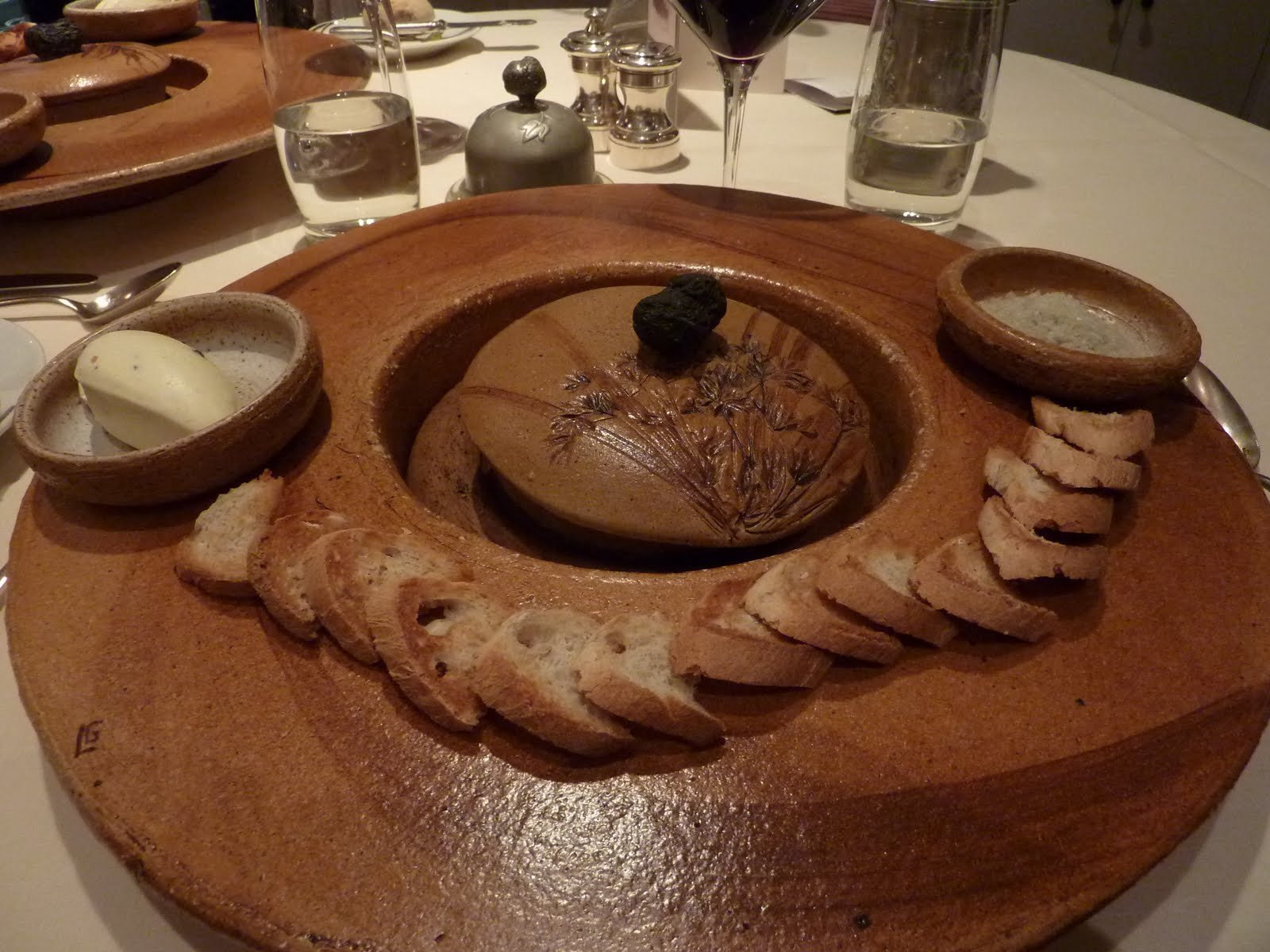
Sound a fanfare for for the signature dish - "La Croque au Sel" - a whole 40g Périgord truffle (about the size of a small Brussels sprout) cooked in a rich sauce périgourdine, which sat in its own small detachable bowl in the middle of a specially handmade terracotta dish commissioned specially for the restaurant from a local potter, on which were laid out a row of tiny slices of melba toast, a small bowl of fleur de sel and a quenelle of creamy white truffle butter. Luigi demonstrated how to eat it, placing a sliver of butter on a piece of toast, then adding a tiny piece of truffle in its unctuous sauce, and sprinkling a few grains of fleur de sel on top before popping it into your mouth, closing your eyes and ascending to heaven. The wine served with this was a Tuscan Montechiaro which again went perfectly with the dish. All the wines are selected personally by Luigi and supplied direct from the growers. The rich Périgourdine sauce with a hint of Madeira was positively sinful.


Just when you thought it couldn't get any better, God save the cheese. Swiss Tete de Moine shaved paper-thin and fashioned into exquisite flowers, drizzled with honey and – I kid you not - flakes of Cohiba tobacco (Doris had just given up the weed but made an exception for this) with some truffled Brillat-Savarin. A witty touch, since it was the great French food writer Brillat-Savarin who dubbed the knobbly black fungi "Diamonds of the kitchen".


We tried to keep the orgasmic moaning down as we ate, and watched the Maestro work the room. In between dressing carpaccios of beef or salmon, thrusting customers' noses into the jars of truffles, meeting and greeting and keeping a gimlet eye on his irreproachable staff, he found time to stop and chat at length with each table in English, French, Italian or Japanese. No wonder he has "The Magician" inscribed on his office door.


On the first floor is a cool smoking room, well ventilated and furnished with masculine leather sofas, and next door a private dining room for up to 20 guests. If you're in charge of the office Christmas party this year, bear in mind that group menus start at 139 euros a head including wine. This is where the likes of Prince Felipe of Spain, Prince Charles, President Barroso, and the great and the good have dined. It is also where Luigi keeps his "museum" of leather-bound wine lists dating back to the restaurant's beginnings in 1988, each one decorated by hand by a different artist. Luigi is a discerning patron of the arts as can be seen from the various paintings and sculptures dotted throughout the restaurant, many of them on a truffle theme. This is obviously so much more than a restaurant to him.


The two chefs Aziz Bhatti and Erik Lindelauf have been with Luigi almost since the beginning. Even if you choose to pass on truffles, the cuisine stands on merit alone and would still richly deserve the Michelin star which was awarded last year. Everything is made by hand, down to the mini bread rolls flavoured with tomato and rosemary. The waiting staff of three charming young men (most appreciated by two ladies of a certain age) are faultless, discreet, appearing just at the right moment and melting back into the carpet like ghosts. They discreetly watch every table, ready to spring to your assistance if you require anything.


Dessert was a duo of apple crème brulée studded with truffles, and a scoop of home made vanilla ice cream also containing truffles. I can't in all honesty say the truffles added anything to the dessert beyond novelty value, but they are the whole raison d'etre of the restaurant and Luigi would put them in the coffee if he could. Petits fours were served with jasmine tea and a glass of Frangelico, Doris's favourite liqueur, from the well stocked bar.


L'Atelier de la Truffe Noire is the more democratically priced concept store and restaurant at 300 avenue Louise, where you can sample 3, 4 or 5 courses for between 35 and 95 euros, or even have the chef come round and prepare your meal at home. On the restaurant's smart trilingual website Luigi runs competitions for his regular customers, with fabulous prizes, ranging from a weekend in a Tuscan vineyard or in champagne country at the wheel of a Maserati, to a week's holiday in Slovenia or Croatia.

From the truffle-themed napkins to the unique tableware, La Truffe Noire bears testimony to the passion and dedication of Luigi Ciciriello. Each evening's service is a performance. I imagine his shoulders drooping when the last customer has gone. To quote the Maestro: "It's not a restaurant, it's a theatre. And a love affair."


Indulge yourself while you still can. The end is nigh.

La Truffe Noire

Boulevard de la Cambre 12

1000 Brussels

Tel : 02 640 44 22

http :www.truffenoire.com

Saturday, 24 September 2011

IN A RIGHT TIZI


Couscous (as you all know) is the staple dish of the Maghreb, i.e. Tunisia, Algeria and Morocco. Basically it involves a bowl of steamed cracked wheat accompanied by root vegetables cooked in a soup, plus some meat, spicy mutton sausages called merguez, or (in Tunisia only) fish. The soup includes five basic vegetables: carrots, celery, turnips, onions, and courgettes. You can also add tomatoes or tomato paste, broad beans, chick peas, or capsicum peppers.

I am an expert on couscous, having criss-crossed the Sahara on a camel with my very own Berber tribe, and can tell you there is a world of difference between the insipid Moroccan style couscous you will get at fancy-ass places like Kasbah or Le Petit Chouia and a real Berber couscous. I actually make my own in time-honoured fashion, rolling the dampened and oiled cracked wheat gently under my armpit whilst ululating wildly, then steaming it in a traditional stainless steel couscoussiere over the meat and vegetables in their sauce.

Squatting improves the flavour

If you are making it at home, let me give you a couple of tips:
whatever it says on the packet, do NOT prepare the cracked wheat by pouring boiling water over it and leaving it for five minutes! The warm salted water has to be added a little at a time and allowed to swell the grain which is then gently sifted with the fingers (or a fork) to separate them. A little olive oil at some point in the preparation can help lift and separate. When an equal amount of water (i.e. one cup for one cup of grain) has been added in stages, then the grain is steamed for 20 minutes or so, if possible over the soup and vegetables in which you may also cook the lamb or the chicken to add flavour. If you don't have a couscous steamer, you can use a regular vegetable steamer with a layer of clean cotton or muslin in the bottom to stop the grains trickling through. The prepared couscous should be pale yellow and fluffy, with the grains moist but separate. My second tip is, don't buy your merguez at a supermarket. Only a halal butcher (plenty around St Josse or Anderlecht) will supply authentic spicy mutton sausages as well as mutton and lamb.


You may have tried couscous for the first time here in Brussels and been somewhat underwhelmed. There are not many couscous restaurants which get a star rating from me, and those that do will likely be in Marrakesh or Paris rather than Brussels. Real natives (of North Africa, not Belgium) will tell you the best are to be found in St Gilles, all of them on the Rue de Moscou. It's a small street
, with four restaurants in it, ALL of which are couscous joints! With some relief I located the perfect Berber couscous at one of them, Le Tizi Ouzou, which is Algerian, as opposed to Moroccan. This does matter, believe me. Tizi Ouzou, or “Tizi” as it is known to its denizens, is the capital of Kabylie, the predominantly Berber coastal region between Algiers and the Tunisian border whence hail Zinedine Zidan, and the fathers of actors Isabelle Adjani and Dany Boon. The restaurant was the first couscous house to open in Brussels over 40 years ago, and despite the competition that has opened up in the street, is still going strong.

Le Tizi Ouzou is an
unpretentious little place offering a selection of couscous and tagine dishes as well as classic starters such as “brik à l'oeuf” (a kind of egg roll, make with a type of filo pastry called “brik” in Algeria and “warka” in Morocco), “pastilla” (pigeon pie) and chorba spicy soup Don't bother with a starter before a couscous as it usually comes as an “All you can eat” deal, and they will top up your bowl on request. The grain is light yellow, devoid of raisins or any of that Tunisian frippery, and perfectly fluffy. The sauce is a full-bodied soup with plenty of colour and flavour. The vegetables are not overcooked, and the kick-ass hot paste known as harissa is served in a little pot on the side. The "couscous maison" is served with stewed mutton, which you may never have tasted and is worth a try – it is succulent and melts in the mouth, at a most reasonable 17 euros. The wine list includes such Algerian specialities as Médéa, Mascara and Cuvée du Président, as well as house wines. The restaurant is simple and clean, with typical North African blue and white tiles on the walls. The waitress is a jolly motherly type who pours a mean mint tea, serving it in the traditional silver teapot with a shaker of orange flower water. If you've got any room left after your epic couscous you could accompany your mint tea with an oriental pastry or some fresh dates.


The eyes follow you round the room

We came out, stuffed, having spent 25 euros a head, including wine, mint tea, a tip and a visit to Chef in his kitchen. As I departed I had an overwhelming urge to ululate.


Le Tizi Ouzou
Rue de Moscou 36

1060 St Gilles
Tel: 02 538 1533


Sunday, 4 September 2011

IL PICCOLO PADRINO

Il Piccolo Padrino and its listed wall

There are a number of Italian pizza joints down avenue Georges Henri, and I thought I'd tried them all, but it turned out I was wrong. Il Piccolo Padrino on the corner of rue Prekelinden is a cut above the others. You can't miss it, it's the one with the very old original advert painted on the wall, which dates from 1925 and used to alert passers-by to the pharmacy underneath. The advertisement was listed in 2004.

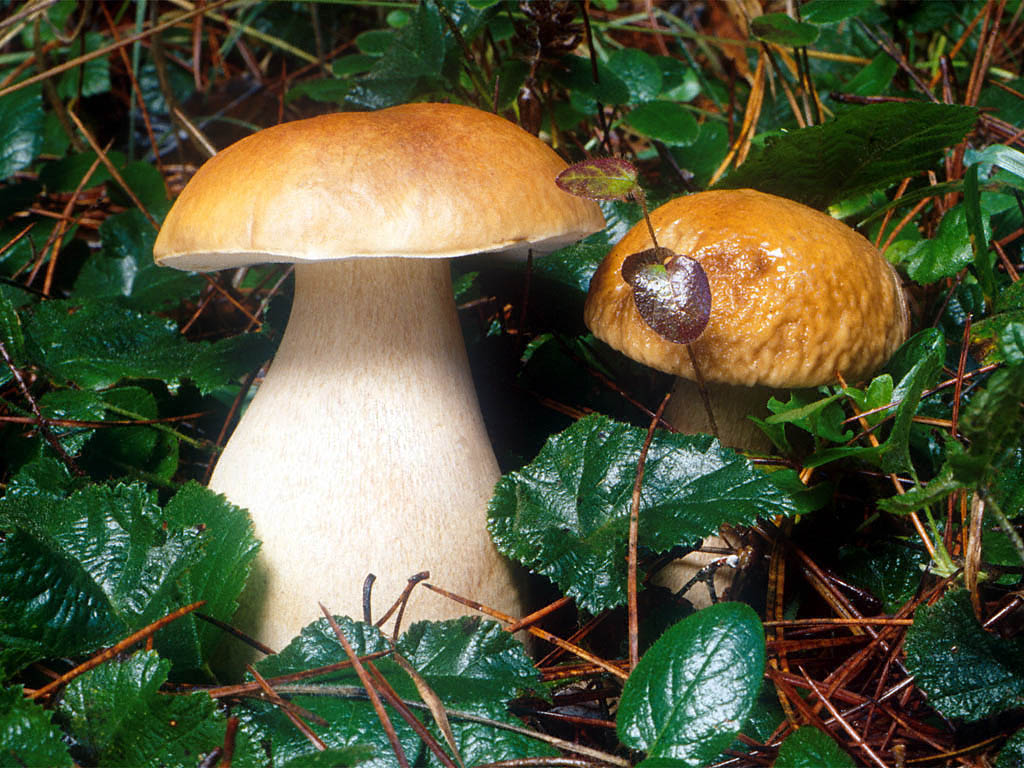
The seasonal menu boasted that "la saison des cèpes" had arrived. "Oooooh cèpes!" cried Scouse Doris and Rupert Posh-Geordie in unison. Cèpes, as you will know, are a type of mushroom, known variously as porcini, boletus edulis, penny buns or, in remoter parts of the north-east "squirrel's bread". The specials board boasted "escalope aux cèpes" and some other dishes featuring the famed fungus.


I often order veal in Italian restaurants as you can't find it anywhere else. Rupert, an exiled Prince of Northumbria, shares my love of the tender calf meat. Despite having grown up in various royal palaces across Europe, he is not squeamish about eating the dear little calves with their big eyes. In perfectly slurred Italian he ordered "escalope di vitello ai porcini", and I ordered a classic escalope milanese. His came swimming in rich gravy adorned with the prized fungus and roasted cherry tomatoes, and mine was lightly fried in golden breadcrumbs and served with the traditional lemon and a bit of salad on the side, with a separate bowl of spaghetti in tomato sauce. Doris went for tagliolini aux cèpes, and we washed it all down with a litre carafe of house red. The cèpes were delicious, quite sweet and tender. The mushroom season is starting, and I resolved to dig out my favourite mushroom recipes for the colder weather.

Squirrel's bread - boletus - porcini - cèpes - penny buns

The Padrino is quite a smart modern restaurant, no murals of Vesuvius or Venetian gondolas here thank you very much. I would only mark it down on two things: (a) the toilets, which were clean but very basic; and (b) the panna cotta. I did ask - as I always do - if the panna cotta is home made, and they replied - as they always do - "of course!" I do believe their panna cotta was home made, however it was not really a panna cotta. The chef had mixed stiffened egg whites in and turned it into a panna cotta flavoured mousse. It was very nice, but it wasn't a panna cotta, which should have a consistency somewhere between jelly and blancmange. Next time I'll go for the tiramisu.

They offer a wide selection of pizza, to eat in or take away.

Damage, around 30 euro a head, without starters.

Il Piccolo Padrino
350 avenue Georges Henri
1200 Woluwe St Lambert
Tél: 02 736 50 01


Tuesday, 23 August 2011

BRITANNIA FIGHTS BACK

After my ranting rage about Larousse's treacherous slander of British cuisine, I have just completed a visit to Albion's shores and have visited a series of excellent eateries from central London to the wilds of Oxfordshire via the bracing beaches of Sussex. All I can say to Monsieur Larousse is: ah speet on yeur overpriced French foreign meuck, and yeur muzzair was a 'amster!!


London:

Gourmet Burger Kitchen (GBK), Baker Street and elsewhere
Chain of simple burger restaurants, burgers are made from ground beef and cooked to order. Various options, food is fresh and reasonably priced.

Regency Cafe
The uncontested star of greasy spoons, this spotless corner caff has featured in the film "Layer Cake", as well as Masterchef 2011 and Andrew Neill on Class. The menu is standard British caff fare - all-day breakfasts, sausage & mash, etc. - and the place is always packed with builders, taxi drivers and office workers during the week. Nuff said.

The Betjeman Arms, St Pancras International Station
I always arrange to get the 14.35 Eurostar back from London so that I can have lunch here. Their fish & chips are stonkingly good - and that's from someone who lives in Belgium.

Pompidou
Another simple caff situated on the Pentonville Road between York Way and Caledonian Road, a couple of minutes' walk from St Pancras. Miles better than all those chain coffee shops like Costa Packet or Caffe Zero that abound in the area. I had a simple toasted bagel with butter and jam and a latte, but my nose was twitching at some huge salads two tables down which were emanating freshness.


Berks, Bucks & Oxon

The Shoulder of Mutton, Playhatch, Berks
Lovely olde-worlde country gastropub with superior bar food. There's also The Crown in the same village if there's no room at this inn.

The London Street Brasserie, Reading, Berks
If you're having a day's retail therapy in the Oracle, the LSB is a great place to set your bags down for a couple of hours. Classier than the chain restaurants on the riverside, less flashy than the Jamie Oliver place, the food is good, fresh, beautifully presented and served with a smile. The staff are professional and know about the food and wines. Extremely reasonable prices for such high quality.

The Bird in Hand, Sonning Common, Berks
Another country gastropub, pleasant environment, fresh chunky sandwiches and cider. No such thing as a ploughman's lunch any more, I was told by the barman. Shame. I am going to start a movement to bring it back.

The Kingswell Hotel, Harwell, Oxon
Superb 3-course meal for half the price you would pay for similar quality in London. (About 30 quid a head). The hotel is in the pretty village of Harwell.

The Barge, Woolstone, Milton Keynes
Charming olde-worlde pub with an airy conservatory restaurant, or you can eat in the bar or at a table outside in the garden.

Sussex
The Crown & Anchor, Shoreham By Sea
Nothing much to look at from the street, but a charming conservatory restaurant at the back and a terrace overlooking the river Adur. Selection of chunky club sandwiches, salads or hot dishes.

Carats, Southwick Beach, Portslade
The beachside greasy spoon is a popular Sunday brunch venue for locals and a few celebs - Chris Evans is rumoured to have been spotted here tucking into a bacon sarnie. You'll have to queue for 20 minutes or so if you come between 11 and 12 on a Sunday, but it's worth it. The Carats Breakfast at 5.65 will set you up for a long walk along the beach.


So, Monsieur Larousse, put zat in your peep and smirk it.